9+ curated guides • Updated September 2025
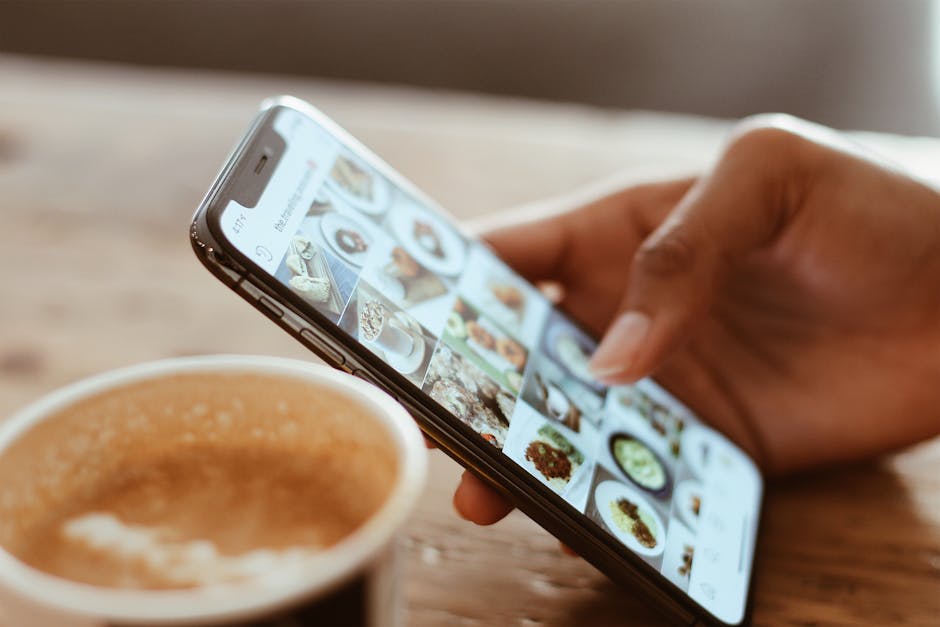
You add milk to your digital Kroger cart, and the app suggests cookies. You accept a substitution, and suddenly your healthy meal plan has a wild card. On the surface, grocery delivery is about convenience, but underneath, a powerful psychological experiment is unfolding that changes not just what you buy, but how you think about food. This isn't just about saving a trip to the store; it's a deep dive into the invisible forces of digital choice architecture that are reshaping our habits, one algorithmically-suggested purchase at a time. The 'Kroger Cart Paradox' is this: the very tool designed to give you more control over your time may be subtly stripping you of control over your choices, your health, and your wallet. We're here to unravel how it works and, more importantly, how you can take the power back.
Stuck in a Chicken Tikka Masala loop? When you search for 'Indian food near me,' you're looking for more than just proximity—you're looking for an experience. This guide isn't another top-10 list; it's a secret map to the flavors of India, helping you find the perfect local dish based on whether you're craving the smoky tandoor of the North or the fiery tamarind of the South. As a culinary detective, I've seen countless diners default to the familiar, missing out on a universe of taste. The term 'Indian food' is a magnificent, but misleading, monolith. It's like calling all European food 'the same.' This investigation will equip you with the clues to look for, turning any local menu from an intimidating list into a treasure map leading directly to your next favorite meal.
The last meal you had delivered arrived as a convenient, transactional box at your doorstep. But what was lost in that exchange, beyond the restaurant's ambiance? We are unknowingly trading the multi-sensory symphony of a meal—the sizzle, the aromas, the visual presentation—for a muted experience, and it's fundamentally changing our relationship with what we eat. As a sensory scientist, I observe this shift not as a simple change in habit, but as a slow, insidious erosion of our ability to perceive and appreciate flavor. We are entering the Flavor Void, a state where convenience has a hidden cost: our own sensory acuity.
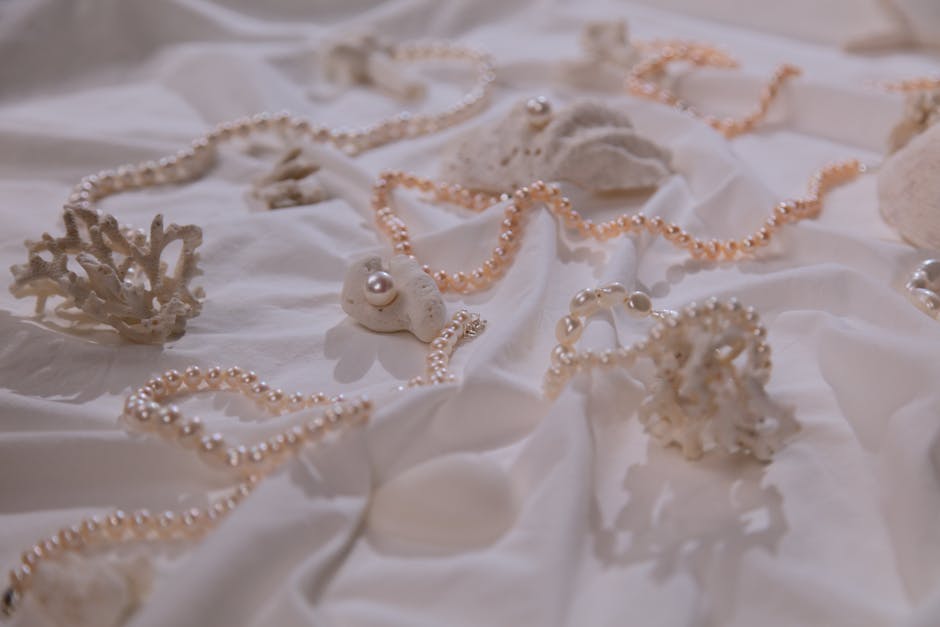
Glance down at the Pandora bracelet on your wrist. Is it just a jumble of silver gifts and impulse buys, or does it tell a coherent story? We're going beyond simple styling to explore how to intentionally curate your bracelet, transforming it from a mere accessory into a powerful, wearable memoir for the next generation. As a curator of modern heirlooms, I see countless charm bracelets that are full, yet feel empty. They are collections, not narratives. The unspoken rule is this: a Pandora bracelet's true value isn't in its charm count, but in the clarity and power of the story it chronicles. This guide is your new editorial framework for building not just a piece of jewelry, but a piece of your history.
For most, the biggest mask frustration was foggy glasses or sore ears. But for millions of hijab-wearing women, it was an unsolvable puzzle—until a simple accessory was ingeniously re-engineered. The hijab mask chain is more than just a piece of jewelry; it’s a masterclass in adaptive design born from necessity. This small invention isn't a top-down directive from a luxury brand; it's a testament to the power of a community identifying a problem and engineering a beautiful, functional solution from the ground up. It represents a shift where user experience dictates design, proving that the most impactful innovations often come from those who live the problem daily.
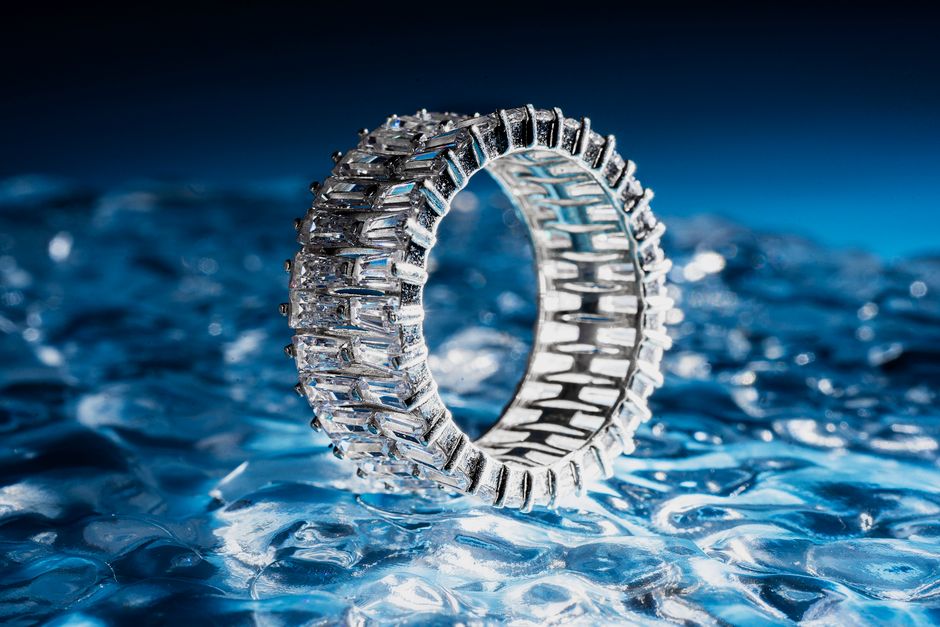
In a world saturated with elaborate halos and intricate pavé bands, the simple solitaire engagement ring can feel... predictable. But what if its quiet simplicity isn't a safe choice, but a radical statement? We'll explore why, in an age of 'more is more,' choosing a single stone is the ultimate act of self-assured rebellion.
You grab your keys every single day without a second thought—a jumble of metal that unlocks your life. But what if that functional object also held the key to your most cherished memories? The Pandora keyring is more than just a stylish way to avoid losing your car keys; it's a quiet revolution in how we carry our stories with us, moving our most precious emblems from the delicate wrist to the durable reality of our daily grind. This is not a demotion for our treasured charms; it is, in fact, their ultimate promotion. It’s the philosophical shift from storytelling as performance to storytelling as an integrated, resilient part of our very being.
Frank Ocean has always made his fans wait. His luxury jewelry brand, Homer, with its appointment-only viewings and staggering price tags, feels like the pinnacle of this elusiveness. But what if we're looking at it all wrong? This isn't just jewelry; it's a physical thesis on art, commerce, and what it means to be a fan in an era of manufactured desire. It challenges us to ask whether the most profound artistic statements of our time must be audible. Homer proposes a radical alternative: a silent album, meticulously crafted from enamel and lab-grown diamonds, its narrative embedded not in sound waves, but in the very systems of value and scarcity that define our culture.
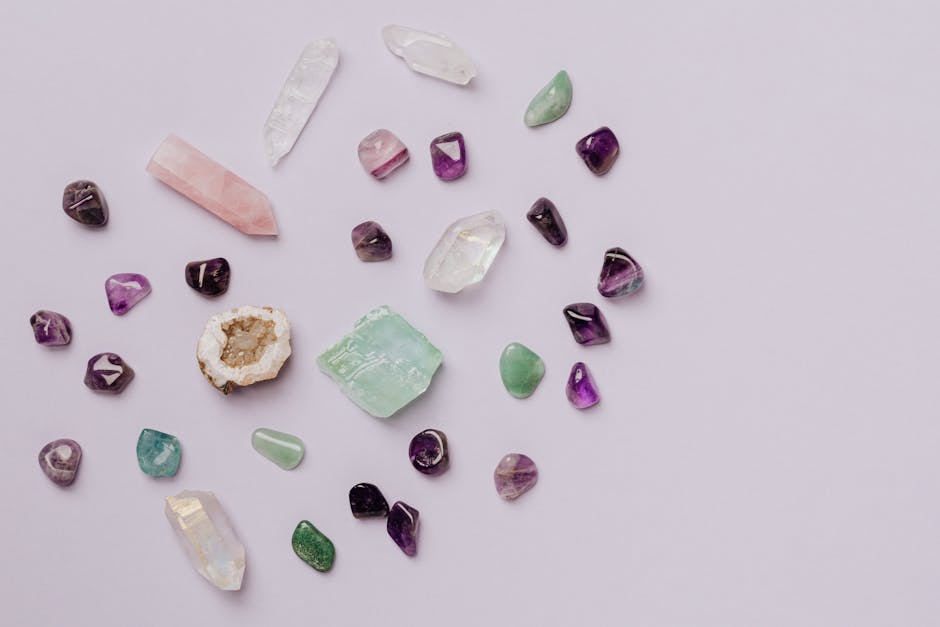
When you picture a sapphire, you see a deep, royal blue, right? But what if the most captivating sapphires aren't blue at all? The secret to their fiery orange, delicate pink, and sunny yellow hues lies not in magic, but in a hidden atomic code deep within the stone. This isn't a style guide; it's a journey into the heart of the Earth. As a gemologist, I'm here to bypass the usual talk of trends and instead pull back the curtain on the geological drama that gives birth to these remarkable colors. We'll explore the crystal structure of corundum and reveal how microscopic 'impurities'—uninvited atomic guests—are responsible for creating a palette that rivals any artist's. Prepare to see sapphires not just as jewelry, but as crystallized stories of our planet's history.